

This is the forty-ninth post in my series that explores the most-used words in the top stories shared amongst Environmental Historians and Environmental Humanities scholars on Twitter each week. Here are the top articles amongst environmental historians and humanities scholars this past week (January 29– February 4, 2018): https://twitter.com/HowStuffWorks/status/957660680211099650 Monday: “Scientists Identify Third-Largest Eruption in Earth’s History” …
Tag Archives: parks
Race Relations in Early Park Films
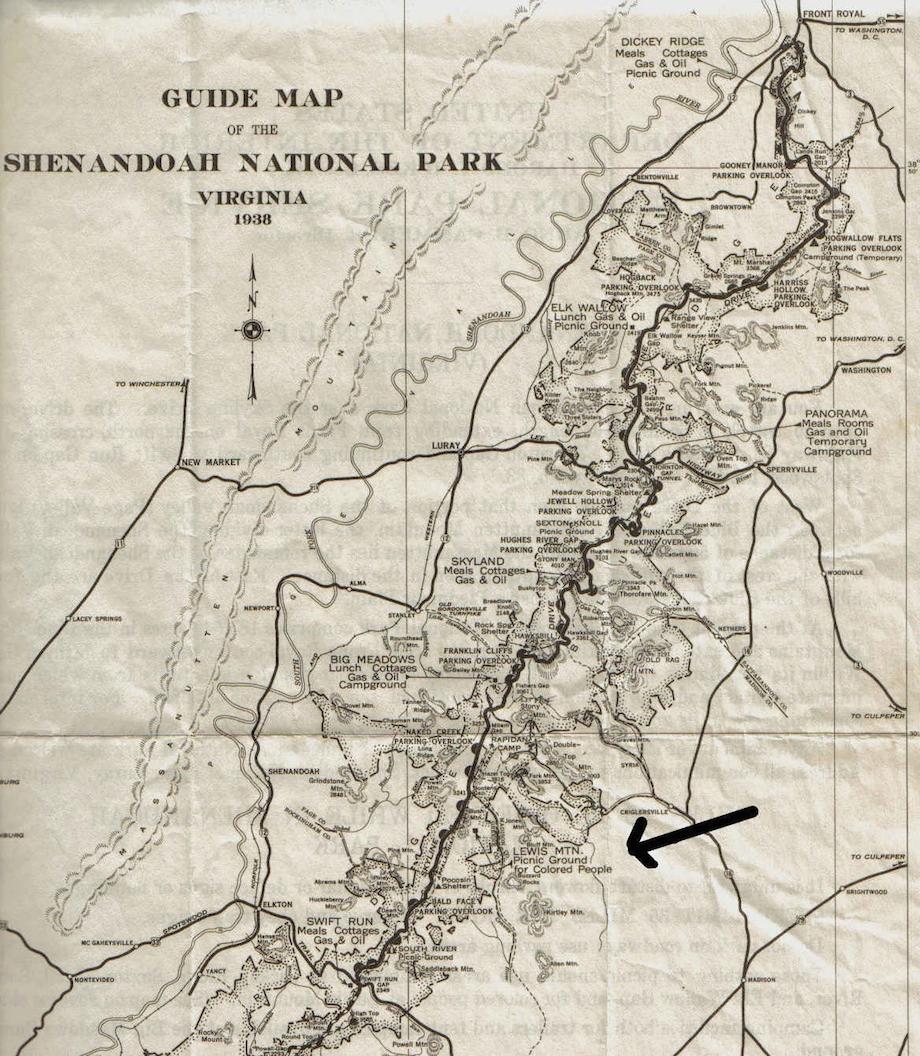
Several months ago I wrote a short blog post about the objectification of women in early park films. In addition to gender issues, many park videos also illuminate mid-century race relations in North America. One of the most blaring statements on race relations within many of these films available on YouTube and elsewhere is the …
“One Crop that Never Fails”: Objectification in Early Park Videos
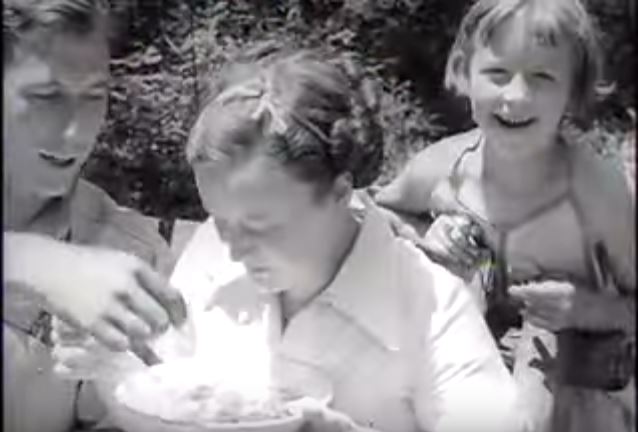
Culturally, we like to celebrate parks. We like to hold them up as bastions of altruistic preservation and outdoor democratization. Right now we are even holding up national parks as leaders of the capital “R”#Resistance. Parks are complicated, though. Parks are not innocuous. It is difficult to bring up the problems with parks at a time …
Continue reading ““One Crop that Never Fails”: Objectification in Early Park Videos”
“What will come of it?”: Selwyn Dewdney Questions Algonquin

The oft neglected introduction, so regularly skipped by the average reader…I presume, most historians will tell you that the introduction is one of the most, if not the most, important parts of the book. The most interesting iteration of the introduction, and the most tempting to gloss over, is the introduction written by another author …
Continue reading ““What will come of it?”: Selwyn Dewdney Questions Algonquin”
From Shippensburg to Powell and Points in Between
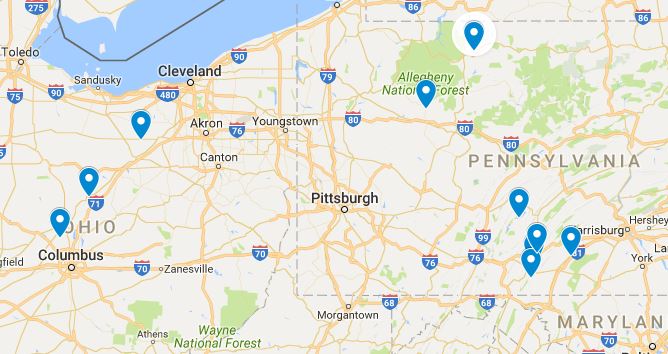
As I’ve climbed deeper into the depths of discipline of history, I’ve found the way that I view the world, particularly whilst travelling, has changed substantially. I’m constantly accessing the background of what lies before me, not just the surface-level imagery presented to me. In the past, I’ve often wanted to write about my travels …
Continue reading “From Shippensburg to Powell and Points in Between”
“Park Consciousness”

I’ve watched this short 1930’s film about Minnesota’s state park system several times now and am interested in the term used at the beginning in the title of the article shown and in the narration: “park consciousness.” The term is called a “very definite factor” by the narrator and strikes me as a useful thought …
Continuing the Park System Visualization Experiment: Ontario Parks in Timeline Form

Back in February I explained how I am using interactive timelines to more easily analyze the develop of state and provincial park systems in the United States and Canada. In “Visualizing a Park System: Creating an Interactive Timeline,” I explained how I developed a label/colour system (see below) and mapped the development of Pennsylvania’s state …
Visualizing a Park System: Creating an Interactive Timeline

One of the most challenging aspects of my dissertation is figuring out how to analyze the development of four different park systems (Pennsylvania, Idaho, Ontario, and Alberta) over a period of about one hundred years. The sources tend to blur together in my mind, making analysis nearly impossible. I am a visual learner, and about …
Continue reading “Visualizing a Park System: Creating an Interactive Timeline”
Bittersweet Sounds of Home

One of the bittersweet parts of my dissertation research is that I’m continuously reminded of or encountering things that remind me of my childhood homeland: Northwestern Pennsylvania, namely Cook Forest State Park and the forests of the region. I stumbled on this video today. Ignoring the narrator, I closed my eyes and took in the …
“Do not want hippies, motorcycles or Catholics”: The Public’s Vision for Fish Creek PP, 1974

I have written on numerous occasions, even fashioned an entire article, on the necessity for park historians to bring the voice of the general public to the forefront of park history. Giving voice to the people for whom the parks were created or to those who were directly affected by the park creation is not …
 Jessica M. DeWitt: Editing and Consulting